Target Man
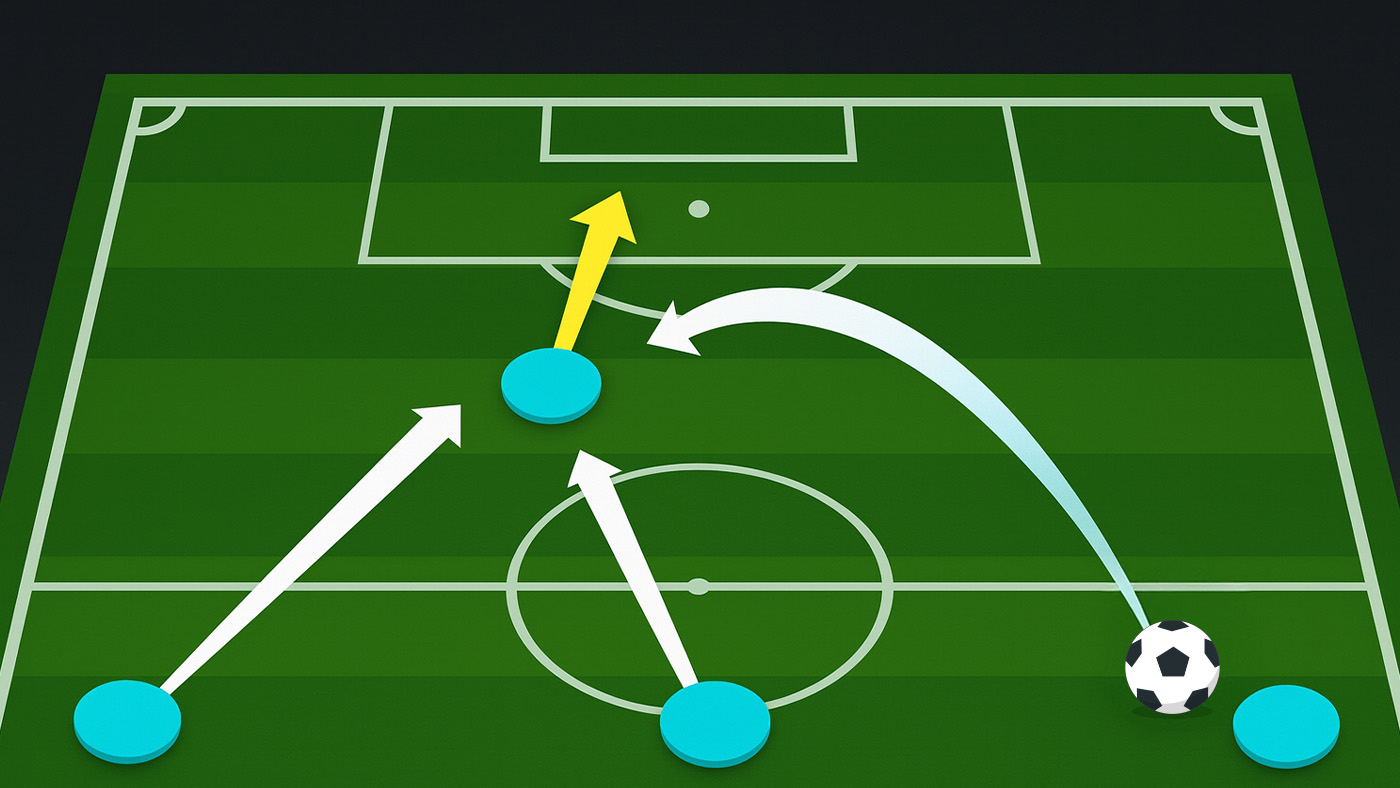
A Target Man in football is a type of centre-forward or striker whose primary role is to serve as the focal point of attacking play. Typically positioned high up the pitch, the Target Man is tasked with receiving the ball, holding it up, and either bringing teammates into play or scoring goals.
Unlike forwards who rely on pace or technical flair, the Target Man is distinguished by physical strength, aerial dominance, and effective hold-up skills. By controlling long passes, shielding the ball from defenders, and distributing it to supporting attackers, the Target Man provides a reliable outlet and a central reference point for offensive movements.
Characteristics
A Target Man is defined by physical presence and a playing style built around strength and control rather than speed.
- Physical strength: Uses size and power to hold off defenders.
- Aerial ability: Strong in the air, effective at winning headers.
- Hold-up play: Retains possession and allows teammates to join the attack.
- Link-up play: Distributes the ball to wingers or midfielders making forward runs.
- Positioning: Stays central and close to goal to be a constant attacking reference point.
Tactical Role
The Target Man acts as the central reference point in attack, giving the team a direct and reliable option.
- Outlet for long balls: Provides a target when bypassing midfield under pressure.
- Focal point in attack: Holds the ball up to allow teammates to advance.
- Space creator: Occupies defenders and opens gaps for quicker attackers.
- Crossing target: Positioned to attack deliveries from wide areas.
- Set-piece threat: Adds aerial presence during corners and free kicks.
Required Attributes and Skills
A successful Target Man relies on a specific blend of physical and technical qualities.
- Strength: Essential for holding off defenders and protecting the ball.
- Heading ability: Key for winning aerial duels and scoring from crosses.
- First touch: Needed to control long or difficult passes under pressure.
- Awareness: Spots supporting runs and distributes the ball effectively.
- Finishing: Converts chances inside the box, often from headers or close-range shots.
- Composure: Maintains control when marked tightly or in crowded penalty areas.
Advantages
The Target Man offers tactical flexibility and a reliable attacking presence.
- Direct option: Useful when intricate build-up play breaks down.
- Aerial dominance: Strong threat from crosses and set pieces.
- Space creation: Draws defenders, freeing teammates to exploit openings.
- Versatility: Fits into both possession-based and counter-attacking systems.
- Defensive contribution: Helps defend set pieces with aerial ability.
Limitations
Despite its value, the role has certain drawbacks.
- Reduced mobility: Often less quick and agile than other forwards.
- Predictability: Over-reliance can make attacking play one-dimensional.
- Service dependent: Effectiveness relies on quality deliveries from wide areas.
- Limited pressing: Less suited to high-intensity defensive systems.
Comparison with Other Striker Roles
The Target Man differs significantly from other forward archetypes in style and function.
- Poacher: Focuses on finishing chances in the box, while the Target Man also links play and wins aerial duels.
- False Nine: Drops deep to create overloads in midfield, whereas the Target Man stays higher as a central outlet.
- Second Striker: Operates off a main forward, while the Target Man is the focal point himself.
- Complete Forward: Combines pace, technical skill, and physical presence, offering more versatility than a traditional Target Man.
Formations and Systems
The Target Man is most effective in setups that emphasize width, crossing, and direct play.
- 4-4-2:: Often paired with a quicker, more mobile striker to complement the Target Man’s hold-up play.
- 4-2-3-1: Serves as the lone striker, supported by attacking midfielders and wingers delivering crosses.
- 4-3-3: Functions as the central focal point with wide forwards making diagonal runs.
- Direct systems: Suits teams that rely on long balls, crosses, and quick transitions.
- Set-piece heavy approaches: Maximizes aerial strength in attacking and defensive situations.