How to Become a Better Midfielder
Midfielders are the heartbeat of a football team. They connect defense to attack, control the tempo of the game, and influence every phase of play. To become a better midfielder, a player must develop technical quality, tactical understanding, and physical consistency while learning how to read the game and make smart decisions under pressure. The best midfielders combine intelligence, work rate, and composure to shape matches from the center of the pitch.
Key Attributes to Improve
A strong midfielder is defined by balance. Technical skill allows control in tight spaces, tactical awareness guides positioning, and physical endurance supports constant involvement. Improving vision, decision-making, and composure under pressure is just as important as improving passing or fitness. Midfielders must think ahead, move efficiently, and adapt to the rhythm of the match.
- Ball control and first touch
- Short and long passing accuracy
- Vision and awareness
- Stamina and endurance
- Agility and balance
- Defensive positioning
- Press resistance
- Decision-making speed
- Communication and leadership
- Tactical discipline
Improve Ball Control and First Touch
Midfielders operate in crowded areas and must control the ball cleanly under pressure. A good first touch allows you to escape pressing, open passing angles, and maintain tempo. Practice receiving on the half-turn, using both feet, and cushioning difficult passes. The ability to control the ball quickly is the foundation of all midfield play.
Develop Passing Range and Accuracy
Passing is the primary language of a midfielder. Work on short combinations to keep possession, but also develop longer passes to switch play or break defensive lines. Accuracy and timing matter more than power. Knowing when to play safe and when to take risk separates reliable midfielders from reckless ones.
Learn Positional Awareness
Great midfielders always seem to be in the right place. This comes from scanning the pitch, understanding team shape, and anticipating the next phase of play. Stay connected to teammates, offer passing options, and avoid hiding behind opponents. Positioning allows you to influence the game even when not on the ball.
Improve Defensive Contribution
Modern midfielders must defend as well as create. Learn how to press intelligently, block passing lanes, and track runners. Interceptions are often more effective than tackles. Defensive discipline helps the team stay compact and protects the back line during transitions.
Build Stamina and Match Fitness
Midfielders cover more ground than most players. High stamina allows consistent involvement across ninety minutes. Focus on aerobic endurance, repeated sprint ability, and recovery speed. Conditioning that mirrors match intensity helps maintain performance late in games.
Improve Vision and Decision-Making
Vision allows a midfielder to see opportunities before they develop. Scan constantly, even when the ball is not coming to you. Decision-making improves with experience, but training under pressure accelerates growth. Learn when to play one-touch, when to carry the ball, and when to slow the game down.
Understand Tempo Control
One of the most important midfield skills is controlling tempo. Sometimes the team needs speed and direct play, other times patience and circulation. Knowing when to accelerate and when to pause keeps the team balanced and organized. Tempo control is often what defines elite midfielders.
Movement Off the Ball
Midfield play is not static. Constant movement creates passing lanes and disrupts defensive shape. Learn to drift into pockets of space, support wide areas, and offer depth when needed. Smart off-ball movement increases your involvement without requiring constant dribbling.
Adapt to Different Midfield Roles
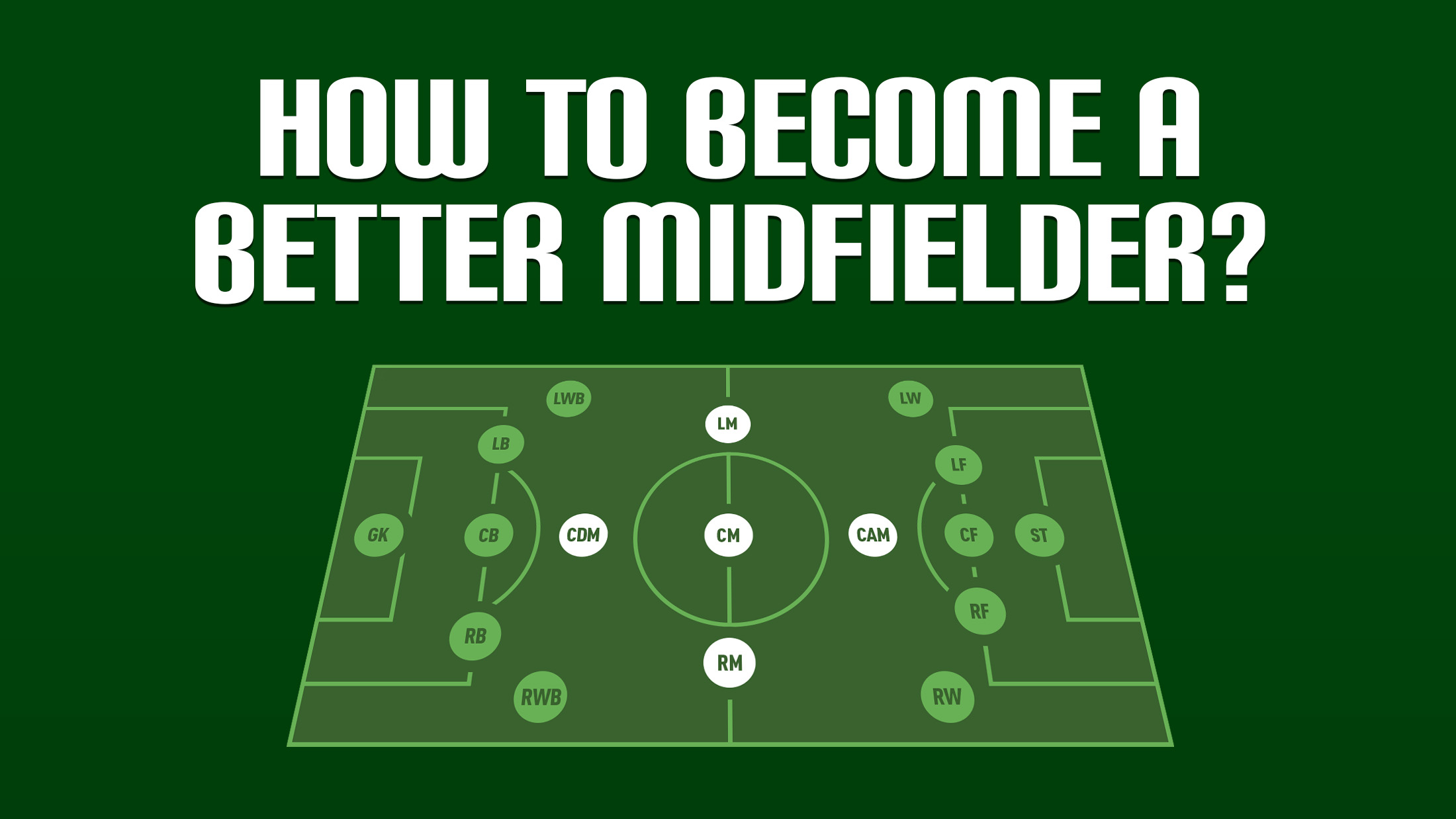
Midfielders may be asked to play as a defensive anchor, a box-to-box runner, or an advanced creator. Understanding the responsibilities of each role makes you more valuable to the team. Study how positioning, risk-taking, and defensive duties change depending on your role within the midfield.
Communication and Leadership
Midfielders often act as on-field organizers. Clear communication helps maintain structure, coordinate pressing, and guide teammates into space. Even young players can lead through information and work rate. Strong communication improves team cohesion and decision-making.
Learn from Elite Midfielders
Watching top midfielders helps develop understanding. Observe how they position themselves, scan the field, and manage space under pressure. Pay attention to their movement when they do not have the ball. Small habits often separate elite players from average ones.
Mindset and Consistency
Midfielders must remain focused throughout the match. Mistakes happen, but recovery is essential. Stay composed, demand the ball, and remain disciplined in your role. Confidence combined with responsibility builds trust from teammates and coaches.
Training Habits
Effective training includes ball mastery, passing drills, positional games, and fitness work. Small-sided games improve awareness and decision-making under pressure. Consistent training with purpose is the fastest way to develop into a complete midfielder.
To become a better midfielder, focus on controlling space, connecting play, and thinking ahead. The most effective midfielders influence the game without forcing it, using intelligence, technique, and consistency to shape every phase of play.