
How to Become a Better Full-Back
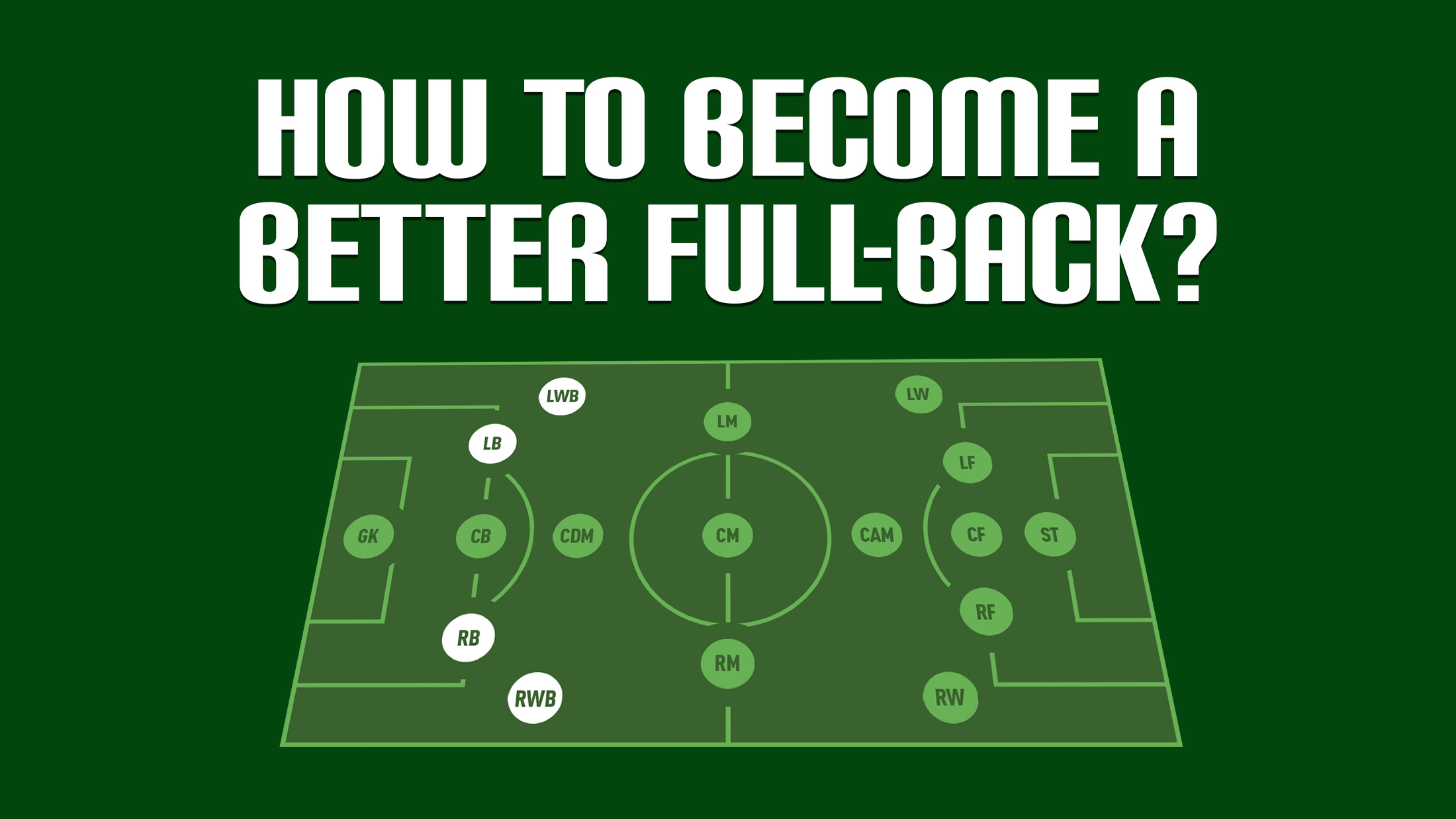
The modern full-back is one of the most demanding roles in football. Once known mainly for defensive duties, today's full-backs must defend, support attacks, overlap wide players, and contribute to build-up play. To become a better full-back, a player needs more than pace or stamina. They must understand timing, positioning, and tactical awareness while mastering the technical and physical aspects that define consistency on both sides of the ball.
Key Attributes to Improve
A complete full-back combines physical endurance, tactical discipline, and technical skill. Focus on developing acceleration and agility to handle 1v1 duels, along with top-level stamina for overlapping and recovery runs. Strength improves body balance in challenges, while coordination and quick reactions help with interceptions and transitions. On the technical side, work on first touch, accurate passing, and crossing under pressure. Mentally, improve concentration, anticipation, and communication with teammates. The best full-backs read the game early and make efficient decisions in every phase of play.
- Acceleration and recovery speed
- Stamina and overall endurance
- Strength and body balance
- Agility and coordination
- Defensive positioning and awareness
- 1v1 defending and tackling
- Crossing accuracy and variety
- First touch and ball control
- Short and long passing range
- Tactical intelligence and anticipation
- Communication and leadership
- Mental focus and consistency
Master Defensive Positioning
A full-back’s first job is to defend. Work on staying compact with your back line, maintaining good body orientation, and judging when to close down or delay. Stay side-on to see both the ball and your direct opponent. Learn to track runners without getting pulled out of shape. Good positioning reduces the need for desperate tackles and keeps your team balanced.
Improve Tackling and Interceptions
A great full-back wins duels cleanly and anticipates danger early. Focus on timing rather than aggression. Step in when the opponent takes a heavy touch and use your body to block passing lanes. Intercepting a pass is often more valuable than making a tackle because it launches a transition. Training with 1v1 drills and small defensive zones sharpens timing and reaction.
Develop Crossing and Delivery
Attacking full-backs must deliver quality service into the box. Practice crossing from both deep and advanced positions. Learn to hit low driven balls, lofted crosses, and cutbacks depending on the situation. Accuracy matters more than power. Work on crossing with your weaker foot to stay unpredictable and help your team maintain tempo on both flanks.
Build Stamina and Recovery Speed
The role demands repeated sprints up and down the pitch. Develop aerobic endurance to maintain intensity across ninety minutes, and add sprint drills to improve recovery runs. Full-backs often need to recover forty to fifty meters after joining the attack. Conditioning sessions that mix high-speed running with short rest periods replicate match intensity and build resilience.
Improve Passing and Ball Retention
Modern systems require full-backs to participate in build-up play. Focus on short passing under pressure, accurate long diagonals, and quick combinations with midfielders. A calm first touch and awareness of passing angles help you escape pressing traps. The ability to recycle possession and find the pivot or winger keeps your side in control.
Understand Timing of Forward Runs
Choosing the right moment to go forward separates an average full-back from a great one. Wait for your winger to receive the ball or when the midfield has control before overlapping. Mistimed runs leave space behind and expose your defense. Study top-level full-backs and note how they coordinate movement with their wide partners to create overloads and safe transitions.
Strengthen 1v1 Attacking Play
When isolated against an opposing winger, composure and technique are essential. Practice quick touches, body feints, and accelerations to create space for a cross or pass. Learn when to take on your marker and when to recycle possession. Confidence in these duels helps your team break deep defensive lines and maintain attacking rhythm.
Defend the Back Post
Many goals come from crosses to the far post, where full-backs are responsible for marking. Always check your shoulder as the ball travels and position yourself between the attacker and the goal. Anticipate cutbacks and rebounds, and be ready to clear second balls. Defensive awareness in these moments often decides tight games.
Improve Communication and Awareness
Full-backs link the defensive line to the wingers and midfield. Constant communication prevents gaps and keeps structure intact. Use quick calls to coordinate pressing, cover inside when center backs step out, and alert midfielders of overlapping runs. The best full-backs read the game one step ahead and use their voice as much as their feet.
Adapt to Different Tactical Roles
In modern football, full-backs are used in various systems. Some play wide and overlapping in a 4-3-3, others invert into midfield in a 3-2-5 shape. Understanding your coach’s tactics helps you adapt faster. Study how your positioning changes in different formations and what your passing or pressing responsibilities are in each phase of play.
Work on Technical First Touch
Your first touch decides whether you can control play or lose momentum. Practice receiving under pressure, opening your body to play forward, and taking touches that move you away from danger. This helps maintain tempo in tight spaces and gives you more options to support the attack or reset possession.
Learn from Modern Full-backs
Study top players who define the position, such as Trent Alexander-Arnold, João Cancelo, Kyle Walker, and Alphonso Davies. Observe their movement, passing range, recovery runs, and how they switch between defense and attack. Emulating small details from elite professionals helps develop awareness and adaptability.
Mindset and Discipline
Full-backs often face long periods without direct involvement but must stay alert. Patience, focus, and discipline are essential. Accept that your work may go unnoticed compared to attacking players, but consistency wins trust. Approach every match with a balanced mentality: defend first, contribute in attack, and never stop running.
Training Habits
Design sessions that mirror match demands. Alternate between defensive drills, crossing under fatigue, and recovery sprints. Work on coordination, agility, and short turning speed. Regularly practice decision-making under pressure. Small-sided games are perfect for developing awareness and quick reactions in tight spaces.